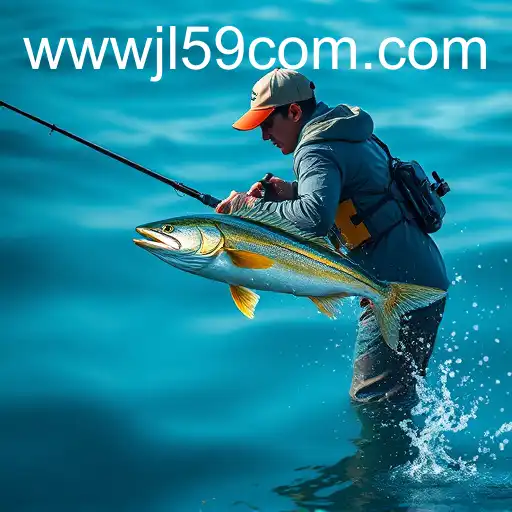
The Art and Science of Fishing: Exploring Various Techniques and Tips
Fishing, an activity that has provided sustenance, sport, and peace for centuries, is a complex pursuit that requires skill, patience, and a deep connection with nature. The art of fishing is not just about catching fish but understanding the water, the techniques, and the equipment involved. In this article, we delve into the various aspects of fishing, exploring its traditions, modern advancements, and practical tips to enhance your fishing experience.
The Historical Significance of Fishing
Historically, fishing has played a crucial role in the development and sustenance of human civilizations. From the ancient Egyptians to Native American tribes, fishing has been a source of food, trade, and tradition. Paleolithic communities were among the first to engage in fishing, using rudimentary methods like spears and hooks fashioned from bones. As societies evolved, so did fishing techniques, with netting and line fishing becoming prevalent in various cultures.
The significance of fishing extends beyond the mere act of catching fish. It has formed the backbone of many communities, influencing religious practices, folklore, and economic structures. In modern times, fishing continues to hold cultural and economic importance, providing livelihoods and leisure across the globe.
Types of Fishing Techniques
1. Fly Fishing
Fly fishing is a method that mimics the behavior of insects on the water's surface. It involves using a specially designed rod and reel, along with a lightweight artificial "fly" that resembles an insect. The technique is particularly popular for catching trout, salmon, and bass in freshwater environments. Mastering fly fishing requires finesse, as casting the fly accurately is essential to attract fish.
2. Deep-Sea Fishing
Venturing into the depths of the ocean, deep-sea fishing offers a thrilling and challenging experience. Anglers often travel miles offshore to target large species like marlin, tuna, and swordfish. Specialized equipment, such as heavy-duty rods, reels, and bait, is essential to withstand the pressure of deep waters and the strength of large fish.yaman777
3. Ice Fishing
In colder climates, ice fishing is a popular winter activity. Anglers cut holes into frozen lakes and use short rods to fish for species like perch, pike, and walleye. Setting up an ice shanty, a shelter to protect against the elements, is common among ice fishers. Patience is key, as the harsh conditions can test even the most experienced angler.
4. Sport Fishing
Sport fishing, also known as recreational fishing, is centered around the thrill of the catch rather than sustenance. It involves catching fish for pleasure, often employing catch-and-release practices to preserve fish populations. Sport fishing tournaments are popular, with anglers competing to catch the largest or rarest species.
Essential Fishing Equipment
Choosing the right equipment is vital for any fishing expedition. While the gear varies depending on the type of fishing, some essential items include:
- Rod and Reel: The backbone of your fishing setup, tailored to the type of fishing and species targeted.
- Line: Fishing lines come in various weights and materials, selected based on the target species and fishing conditions.
- Bait and Lures: Natural bait and artificial lures are used to attract fish, with options ranging from worms to elaborate plastic fish replicas.
- Tackle Box: A must-have for storing hooks, weights, lures, and other small accessories.
- Hooks: Available in different sizes and styles, hooks are selected based on the fish species.
Practicing Sustainable Fishing
With growing environmental concerns, sustainable fishing practices are becoming increasingly important. Overfishing and habitat destruction have put pressure on fish populations, necessitating responsible fishing methods. Adopting sustainable practices includes:ninong gaming ph
- Following catch limits and size restrictions to protect fish populations.
- Practicing catch and release to minimize impact on species.
- Using environmentally friendly gear to reduce damage to marine habitats.
Using Technology in Modern Fishing
Technology has transformed the world of fishing, providing innovative tools to enhance the experience. Sonar and GPS systems allow anglers to locate fish with precision and navigate unfamiliar waters easily. Smart fishing equipment, like electronic reels and fish finders, offer data and feedback in real time, improving success rates.PH88
Tips for a Successful Fishing Experience
Regardless of your experience level, certain tips can enhance your fishing adventure:BUENAS
- Research: Understanding the behavior of your target species and the ecosystem can significantly increase your chances of success.
- Time Your Trip: Fish are often more active at specific times, such as dawn and dusk. Align your fishing schedule with these peak periods.
- Stay Patient: Fishing requires patience and perseverance. The key to success lies in staying calm and adapting to changing conditions.
Conclusion
Fishing remains an enduring pastime that connects people with nature and each other. Whether you're casting a line in a tranquil stream or battling the mighty ocean waves, the thrill of the catch and the stories that accompany it are timeless. By embracing traditional practices and modern innovations, anglers continue to enjoy the intricate dance of man and fish in the vast waters of the world.up777